
Snake Plant Ecology: A Comprehensive Guide to Its Role in Indoor and Urban Environments
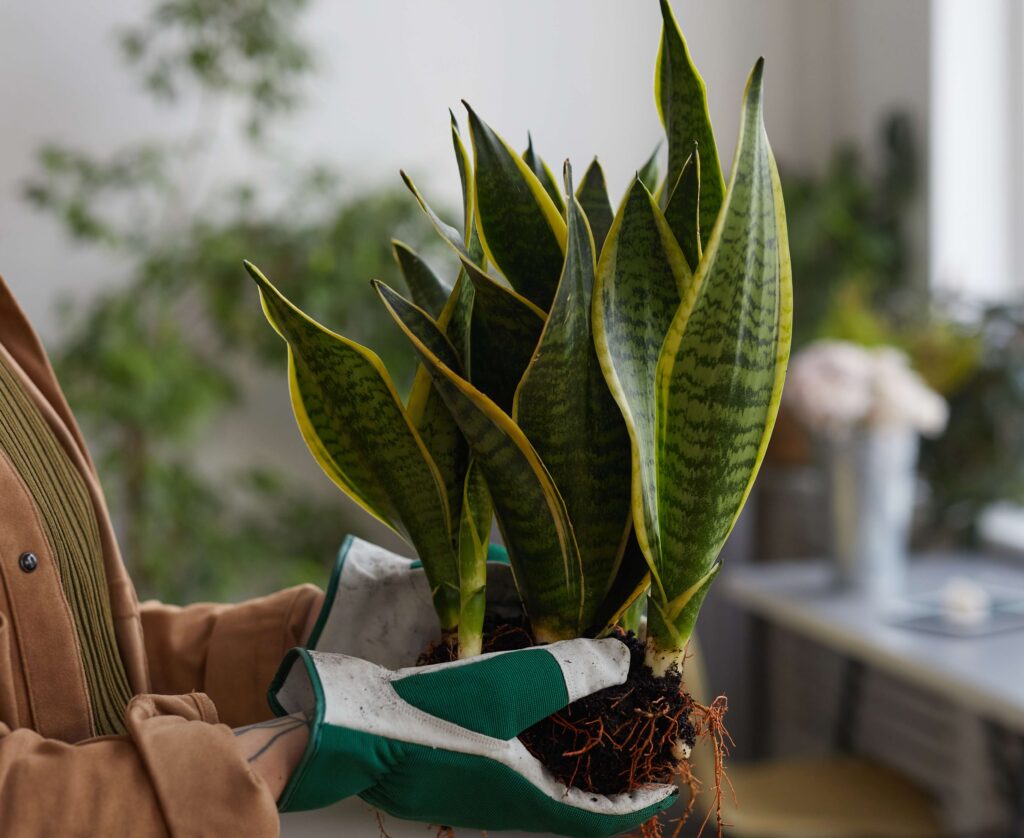
The snake plants (scientifically referred to in the field of science as Dracaena trifasciata (formerly Sansevieria) are among the most well-loved indoor plants around the world. They are renowned for their stunning appearance with low maintenance, as well as eco-friendly advantages These plants are now a standard in offices, homes as well as urban spaces. However, beyond their attractive appearance, Snake Plants play a important role in indoor ecology in sustainable landscaping. We’ll look into the amazing realm that is Snake Plant ecology, their advantages, their growth conditions and the ways they can contribute to an environment that is healthier.
What is Snake Plant Ecology?
Snake Plant ecology is focused on the way they interact with their environment specifically in urban and indoor settings. Snake Plants are not only ornamental; they contribute to improve air quality and cutting down on carbon dioxide levels and creating a green indoor ecosystem.
1. Air Purification
A single of the widely known benefits associated with Snake Plants are their capacity to purify the air inside. As per the NASA Clean Air Study, Snake Plants can effectively remove contaminants like benzene, formaldehyde and xylene out of the air. They release oxygen in the evening which makes them suitable for bedrooms as well as other living areas.
2. Carbon Dioxide Reduction
Snake Plants are unique in their capability to perform Crassulacean Acid Metabolism (CAM) photosynthesis. This allows the plant to take in carbon dioxide, and then release oxygen at night, in contrast to plants that can only release oxygen during the daytime. This makes them a great alternative to homes in urban areas where air circulation is very limited.
3. Contribution to Urban Ecology
In urban areas in areas where green space is scarce, Snake Plants serve as an intermediary between the natural world and our modern lives. They thrive in tiny spaces they require little resources and help to improve the overall balance of the ecosystem by improving the quality of air and reducing stress levels.
Snake Plant Growth Conditions
To maximize the benefits of Snake Plant Ecology, it’s essential to be aware of their requirements for growth. These tough plants are native to dry zones that are located in Africa and Asia and Asia, which is the reason for their ability to adapt and resilience.
1. Light Requirements
Snake Plants like bright indirect sunlight, however they are tolerant of low-light conditions, which makes them suitable to be used in a variety of indoor environments. For best growth result, placing them near windows that filter sunlight.
2. Soil and Watering
Snake Plants prosper in well-drained soil. Overwatering is among the most damaging ways to harm them, since their roots are vulnerable to get rotten. Let the soil dry completely between irrigations process.
3. Temperature and Humidity
They can be adapted to temperatures of varying degrees however they prefer temperatures between 60 and 80 degrees (15-27degC). They are tolerant of low humidity, which makes ideal for indoor spaces.
Sustainable Gardening with Snake Plants
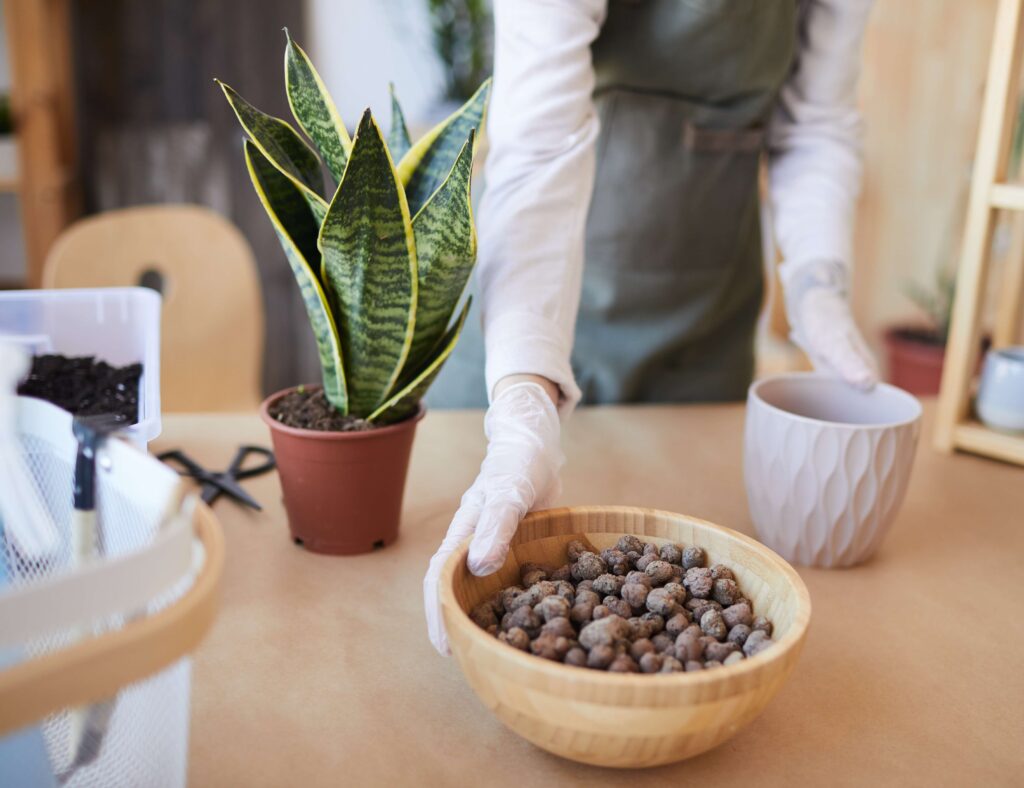
For those who are concerned about the environment, Snake Plants are a wish that comes true. They require little resources, they are drought-tolerant and are easily propagated which means that there is no need to buying new plants.
Snake Plants can be propagated by cuttings of leaves, divisions, or Rhizomes. This is not just a way to save costs but also lessens the environmental impact of packaging and transporting new plants.
2. Minimal Resource Use
Snake Plants require little water and fertilizer. This makes them a great option for environmentally sustainable gardening.
The Role of Snake Plants in Indoor Ecology
Snake Plants play an essential part in creating an environment that is healthy and balanced. ecosystem.
1. Stress Reduction
Research has shown the indoor presence of plants such as Snake Plants, can reduce stress and enhance mental health. Their presence can create a peaceful environment, which is especially helpful in office and home environments.
2. Noise Reduction
Although not so effective as bigger plant species, Snake Plants can help in absorbing sound, resulting in an environment that is quieter in the indoors.
3. Aesthetic Appeal
The attractive tall leaves Snake Plants add a modern and stylish touch to any room. which makes them a popular choice for interior designers.
Why Snake Plants Are Perfect for a Worldwide Audience
Snake Plants are a popular choice because of their adaptability as well as their low maintenance their ecological advantages. If you reside in a tiny home within New York City or a large house in rural India These plants are able to thrive in virtually any climate. Their capacity to improve the quality of air as well as reduce stress levels makes them a top choice for people around the world.
Conclusion
Snake Plants can contribute to better indoor living and sustainable methods for gardening. In addition to purifying air, they can reduce carbon dioxide levels, the plants serve a vital role in urban and indoor ecological balance. When you know their conditions for growth and benefits to the environment, it is possible to benefit by these plants to make an environmentally friendly, healthier living space.