
Snake Plant Drooping Leaves: Expert Guide to Diagnosis and Revival.
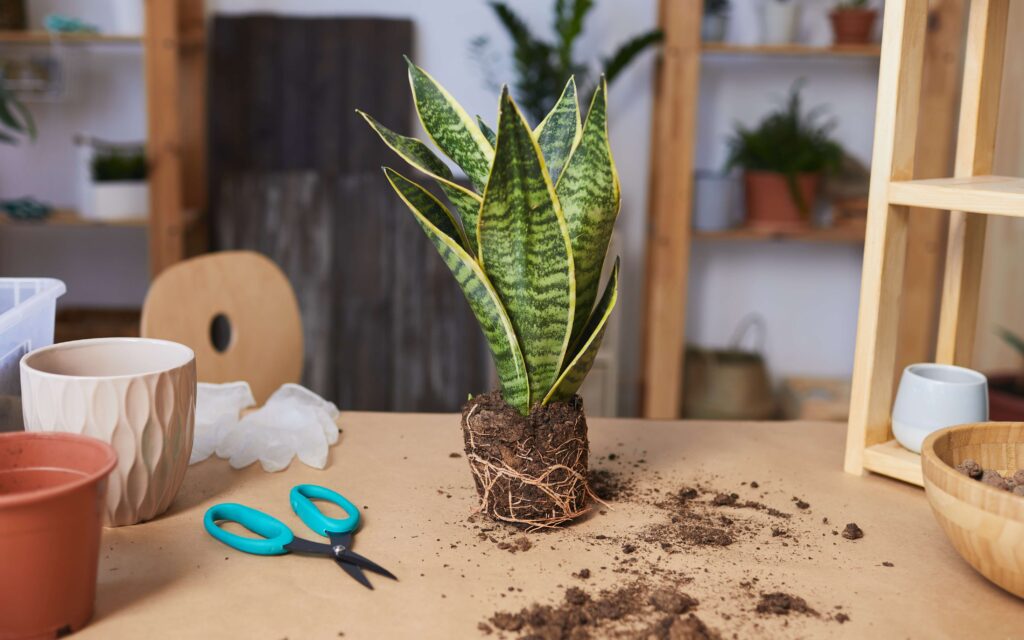
Are you seeing the beloved plant you love (Sansevieria) not looking charming lately? If you’re seeing leaves that are drooping on your normally robust houseplant, you’re certainly not alone. It’s one of the most well-loved low-maintenance indoor plant species, snake species are usually robust, however certain conditions can cause them fall off their upright stance.
Understanding Snake Plant
Snake plants are renowned for their robust nature and striking leaves. But even these tough succulents may show signs of trouble due to Snake Plant Drooping Leaves. Although this could be a concern, but the good news is that the majority of causes are easily identified and can be fixed by making the appropriate adjustments to care.
Common Causes of Snake plant Drooping Leaves and Solutions
1- Overwatering:
One of the most frequent causes for snake plant drooping leaves is the overwatering. Since they are succulents, these plants can survive with little water. According to expert on plants Petar Ivanov “Snake plants tend to thrive from neglect”
Signs of overwatering include:
- Yellowing leaves
- Soft or mushy foliage
- General droopiness
- Waterlogged soil
Solution Use water sparingly and only after the soil is dry out. The best guideline would be to water the soil every two to six weeks according to the season.
2 – Root Rot
the Serious Effect If the overwatering continues and continues to increase, it can lead to root rot, which is a potentially fatal ailment for snake plants.
Key indicators include:
- Foul smell from the soil
- Soft, brown roots
- Severely drooping leaves
Treatment Steps:
- Take the plant out of its pot
- Remove damaged roots
- Repot in clean well-drained soil
- You must ensure that drainage holes are properly drilled inside the container.
3 – Pot Size Issues
Sometimes, the problem lies with the pot itself.
If snake plants are unable to fit into their container, the roots get cramped and lead to leaf drop. Be on the lookout for:
- Roots emerging from drainage holes
- Plant being pushed upward in the pot
- Restricted growth
Solution Plant your plant into an area that is 1-2 inches bigger than the one you have now with fresh soil, and making sure that the drainage is proper.
4 – Pest Infestations
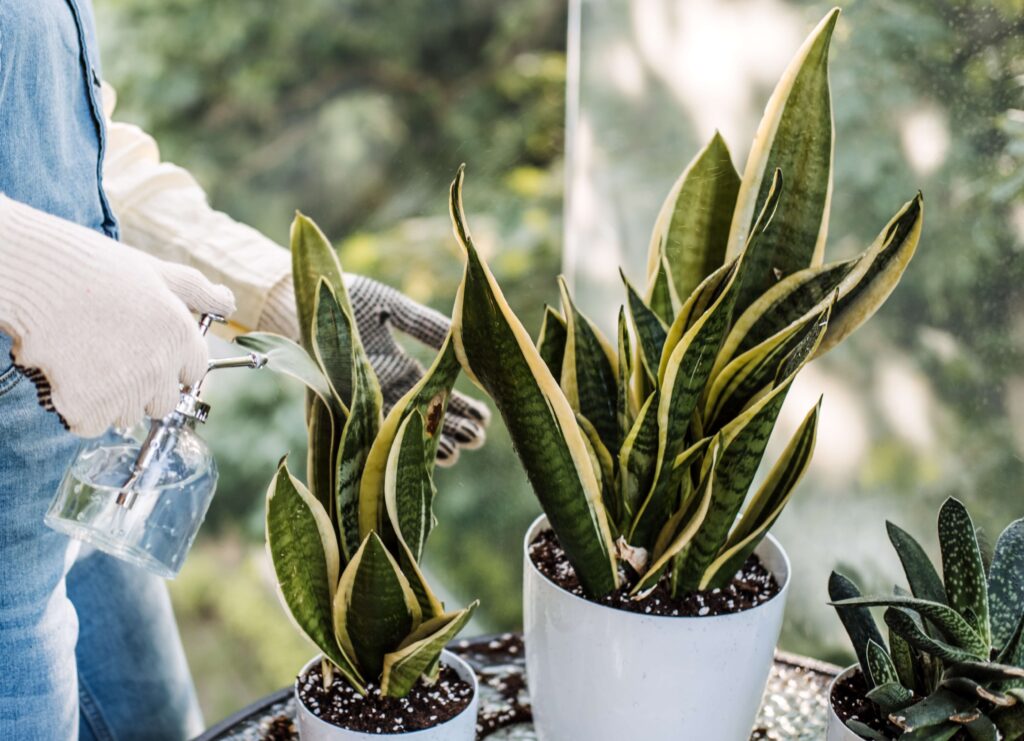
Although generally immune to insects, snake plants could sometimes fall prey to spider mites and mealybugs. leading to tension and the appearance of drooping. Be on the lookout for:
- Cotton-like clusters (mealybugs)
- Fine webbing on leaves (spider mites)
- General plant weakness
Treatment Protocol:
- Remove the plant affected by the disease.
- Apply insecticidal soap or oil
- Check regularly for any recurring issues
5 – Underwatering.
Although drought-resistant snake plants are drought-tolerant, they still require some water to sustain their structure. Signs of waterlogging include:
- Thin, wrinkled leaves
- Curling foliage
- Dry, crispy leaf tips
Solution: After watering, soak the soil in water until it is drained away from the bottom. Allow it to completely dry between the waterings.
6- Lighting Requirements
While snake plants can tolerate low light, but insufficient lighting can cause drooping and other issues. Signs include:
- Slow growth
- Fading leaf color
- Gradual drooping
Optimal Light Conditions:
- Place it in a moderate to bright indirect light
- Avoid direct sunlight to avoid the scorching of leaves
- The plant should be rotated regularly to ensure regular growth
Prevention and Maintenance Tips
Proper Watering Schedule
- Water every 2-6 weeks depending on season
- Reduce watering in winter
- Check soil moisture before watering
Best Growing Conditions
- Maintain temperatures between 65-85°F
- Provide good air circulation
- Use well-draining potting mix
Regular Monitoring
- Check for signs of stress weekly
- Inspect for pests monthly
- Assess growth and pot size annually
Reviving a Drooping Snake Plant.
If your snake plant is showing signs of distress, don’t panic. These resilient plants can usually bounce back with proper care. Here’s a recovery plan:
- Immediate Actions:
- Assess the root cause
- Adjust watering routine
- Modify environmental conditions
- Long-term Care:
- Monitor progress regularly
- Maintain consistent care routine
- Address issues promptly
Conclusion
Although drooping of the snake plant can be a concern, knowing the root cause and applying appropriate remedies can help restore the plant’s health. Remember that prevention through regular maintenance is always superior to cure. With the proper attention and modifications to your care, your snake plant can be restored to its majestic, upright form.
Read About: Indoor House Plant