
Snake Plant Care: The Ultimate Guide to Growing Sansevieria
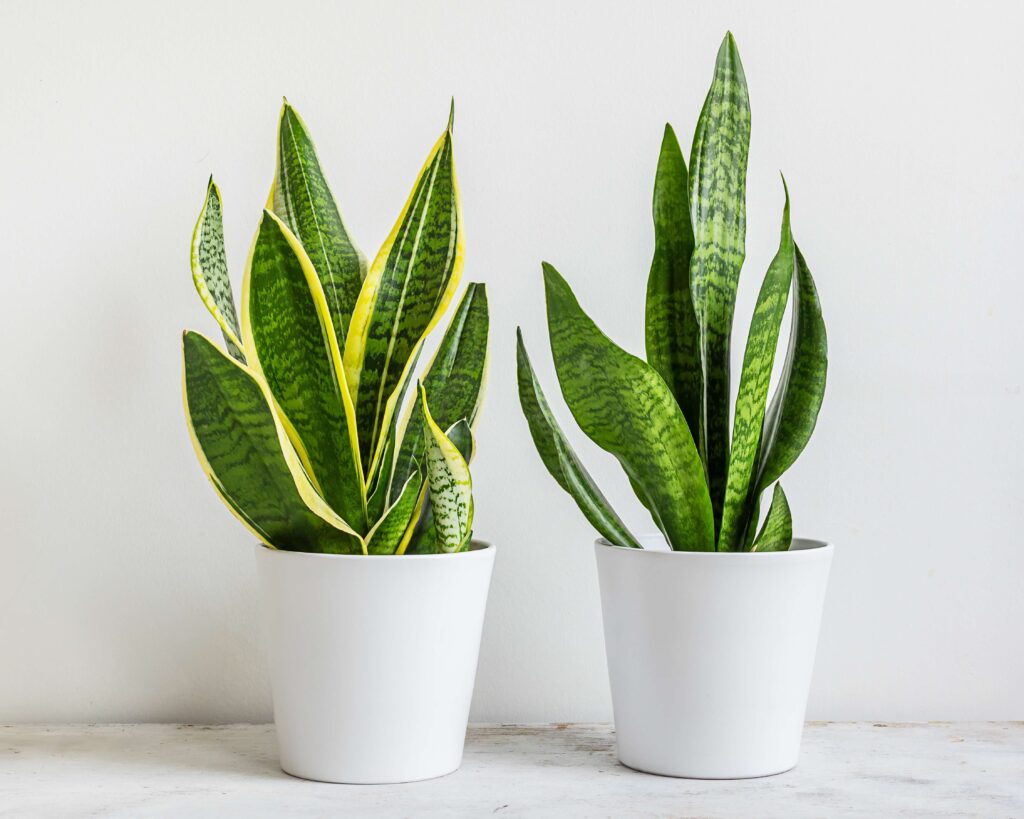
Are you seeking to add a classy houseplant that is low maintenance in your garden? The snake plants (Sansevieria) are a great option for novice as well as experienced plant lovers. This detailed guide will take you through all you should learn about the care and maintenance of the stunning, air-purifying plants.
What is a Snake Plant?
Plants known as snakes, also scientifically referred to as Sansevieria or, more recently, reclassified as Dracaena trifasciata, are durable succulents renowned for their beautiful upright leaves and their remarkable flexibility. These beautiful architectural plants have earned their spot in the list of loved plants for the home due to their ability to clean air and low care demands.
Types of Snake Plants
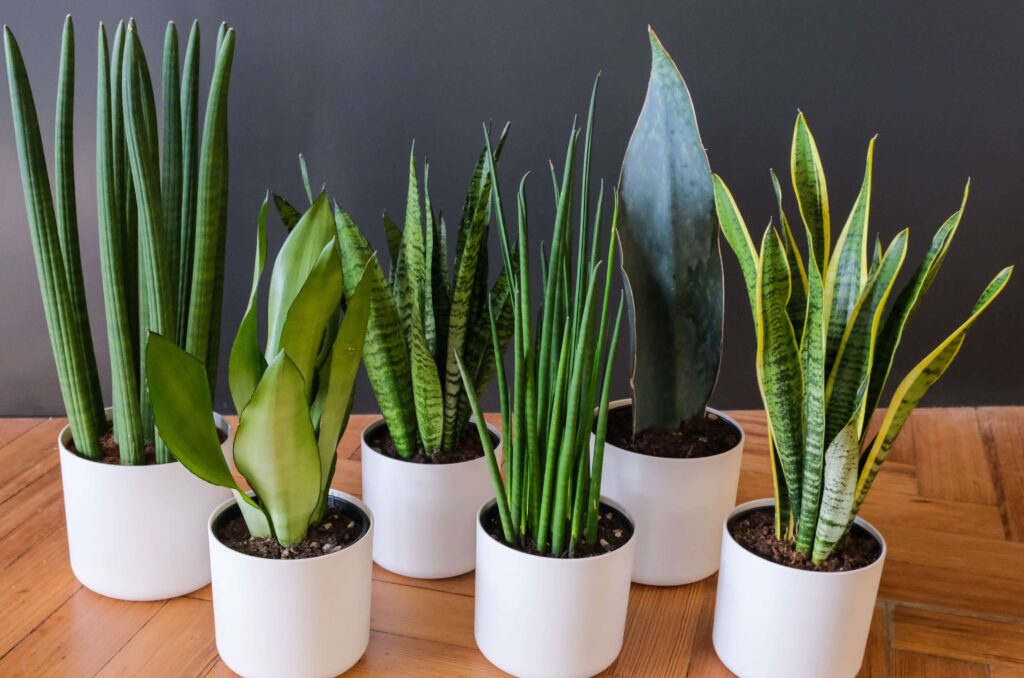
The Sansevieria family comprises a different gorgeous variety:
Sansevieria trifasciata “Laurentii” The most popular variety, featuring yellow-colored leaf edges
Snake Plant “Moonshine” is a plant that is famous by its silvery gray leaves
Sansevieria cylindrica – Features unique cylindrical leaves
Bird’s Nest Snake Plant – A small, low-growing species
Dracaena masoniana ‘Whale Fin’ It’s a great choice for collectors or anyone who is looking to add a unique accent for their house.
Dracaena trifasciata ‘Golden Hahnii’ this Snake Plant. With its yellow-edged leaves, It’s ideal for smaller space like desks, apartments and shelves for bathrooms.
Dracaena hanningtonii (Starfish Snake Plant) This variety is a slow grower and is often used as a decorative piece in gardens or homes.
Essential Snake Plant Care Requirements
Light Requirements
They thrive under a variety of lighting conditions, including bright indirect lighting to dim light zones. They are most effective in bright to moderate indirect sunlight. Beware of prolonged direct sunlight, which could cause scorching of their leaves.
Watering Guidelines
The most important aspects of caring for a snake plant is the correct watering.
- Let the soil dry completely between irrigations
- It is less frequent in winter
- Be careful not to overwater your plants in order to avoid root decay
- Make sure that the soil mix is draining well.
Temperature and Humidity
These robust plants favor:
- Temperatures rang from 65-85degF (18-29degC)
- Average levels of humidity in the household
- Protection from cold winds and abrupt temperature swings
Common Problems and Solutions
Yellowing Leaves
- Cause: Usually indicates overwatering
- Solution: Reduce watering frequency and ensure proper drainage
Brown Tips
- Cause: Low humidity or fluoride sensitivity
- Solution: Use filtered water and maintain moderate humidity
Leaf Drooping
- Cause: Insufficient light or overwatering
- Solution: Adjust light exposure and review watering schedule
Propagation Methods
Expand your collection of snake plants by using these proven methods:
1-Division
- Separate mature plants during repotting
- Make sure that each section has healthy roots
- Plant in clean, well-drained soil
2-Leaf Cuttings
- Slice healthy leaf into 3 to 4 inch sections.
- Cuts can be called for all of the time
- Plant in moist soil, maintaining proper orientation
Benefits of Growing Snake Plants
Snake plants offer numerous advantages:
1-Air Purification
- Removes toxins like formaldehyde and benzene
- Converts CO2 to oxygen at night
- Improves indoor air quality
2-Low Maintenance
- Drought-tolerant
- Resistant to many pests
- Adapts to various light conditions
3-Aesthetic Appeal
- Modern, architectural appearance
- Variety of sizes and colors
- Complements any décor style
Frequently Asked Questions
Q-1 What is the best time to watering my snake plant?
A: Watering should be done every 2-8 weeks, according to the time of year and the conditions. Always test soil moisture prior to applying water.
Q-2 Do snake plants poisonous to pets?
A: Yes, they are poisonous if they are consumed. Make sure you keep them out of the reach of pets that are curious.
More Details About: house Plants