
ARE SNAKE PLANTS TOXIC TO CATS? ARE SNAKE PLANTS TOXIC TO DOGS?
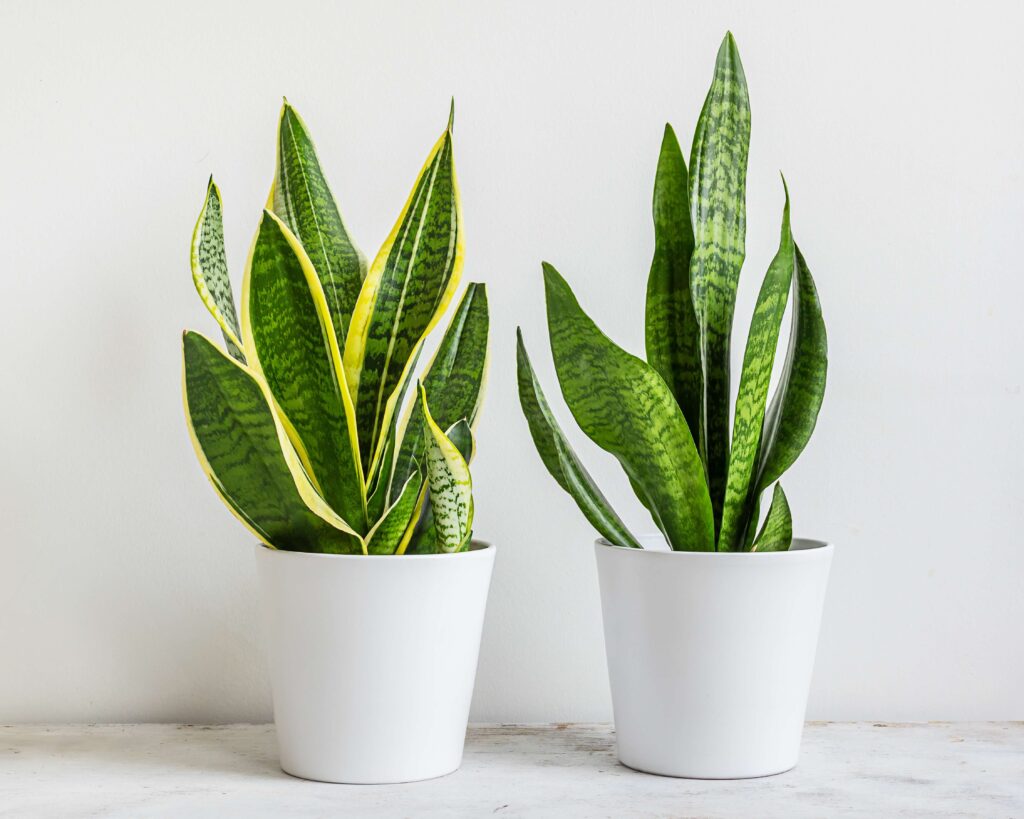
The stunning Snake Plant (Sansevieria or Dracaena trifasciata) is becoming a sought-after option o decorate your home but, as an responsible pet parent, you may be wondering about the danger of snake plants for cats and dogs? The simple answer is yes. Snake plants can be poisonous to cats and dogs alike. Knowing the risk is essential for ensuring your pet-friendly home is secure.
Understanding Snake Plant Toxicity
The snake plant is often referred to as Mother-inlaw’s tongue, are made up of saponins. This is a naturally occurring compound which can be dangerous for pets. These chemical substances are the plant’s own natural defense against predators. They could cause adverse reactions if consumed by cats or pets.
Key Toxicity Facts:
- Severity Level: Moderate to mild
- Toxic Components: Saponins
- Affected Animals: Cats as well as dogs
- The Plant’s Parts components contain harmful compounds
Signs of Snake Plant Poisoning in Pets
If your dog or cat has eaten a part from a plant looks for these signs:
For Cats:
- Nausea and vomiting
- Diarrhea
- Excessive drooling
- Loss of appetite
- Lethargy
- Swollen mouth or tongue
For Dogs:
- Gastrointestinal upset
- Vomiting
- Diarrhea
- Depression
- Excessive salivation
- Abdominal pain
Immediate Steps If Your Pet Ingests Snake Plant
Immediate Steps If Your Pet Ingests Snake Plant
- Remove Access
- Immediately separate your pet from the plant
- Secure any fallen leaves or plant parts
- Emergency Response
- Contact your veterinarian immediately
- Document when and how much was consumed
- Save any vomited material for analysis
- Monitor Your Pet
- Watch for developing symptoms
- Keep your pet comfortable and hydrated
- Follow veterinary instructions closely
Prevention: Creating a Pet-Safe Environment
Protecting your furry friends from snake plant toxicity involves several strategic approaches:
- Plant Placement
- Keep plants on high shelves
- Use hanging planters
- Create physical barriers
- Alternative Pet-Safe Plants Consider these non-toxic alternatives:
- Spider Plant
- Boston Fern
- African Violet
- Calathea
- Bamboo Palm
- Environmental Enrichment
- Provide pet-safe grass or herbs
- Create designated play areas
- Use deterrent sprays around plants
Managing Snake Plants with Pets
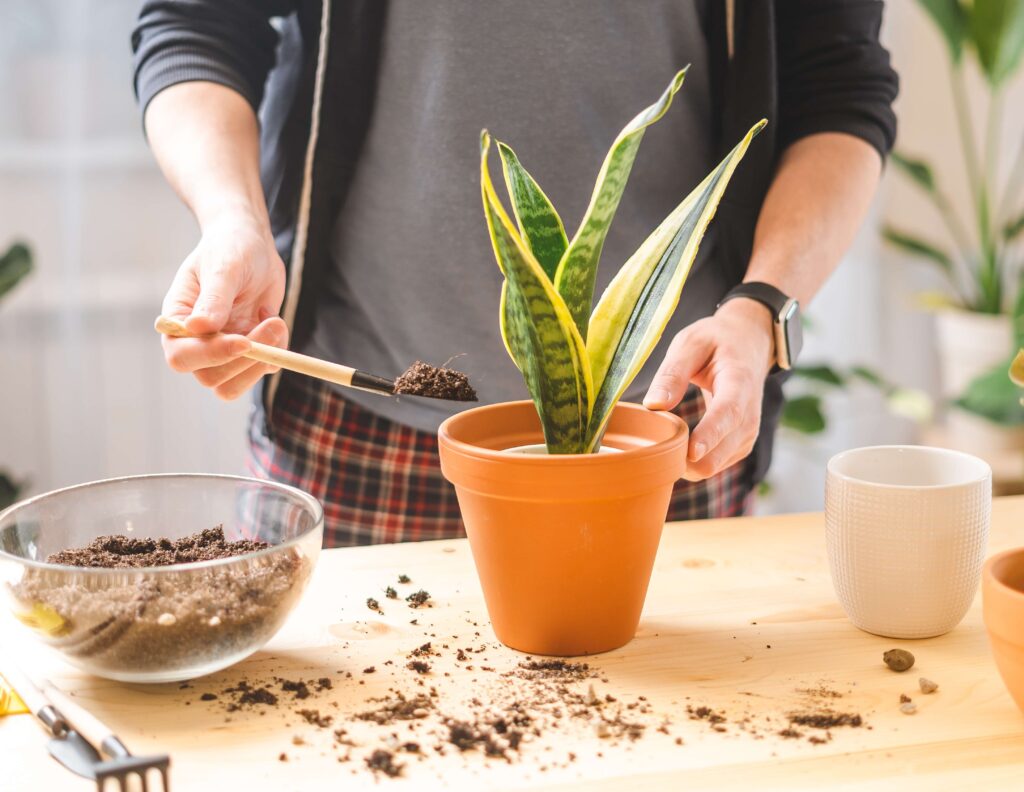
If you decide to keep your snake plant, implement these safety measures:
- Training Techniques
- Use positive reinforcement
- Teach “leave it” commands
- Create alternative interest areas
- Monitoring Systems
- Install pet cameras
- Use motion sensors
- Regular plant inspection
- Safe Handling Practices
- Wear gloves when pruning
- Clean up fallen leaves promptly
- Maintain plant health to prevent leaf drop
Emergency Care Protocol
If poisoning occurs, follow this emergency protocol:
- Immediate Response
- Don’t induce vomiting without veterinary approval
- Collect plant samples for identification
- Document symptoms and timeline
- Veterinary Care
- Bring plant samples to the vet
- Share detailed symptom information
- Follow prescribed treatment plan
- Recovery Support
- Maintain proper hydration
- Provide quiet recovery space
- Monitor for ongoing symptoms
Prevention Strategies
Implement these strategies for pet safety:
- Regular Assessment
- Monthly plant safety checks
- Pet behavior monitoring
- Environment modification as needed
- Education
- Learn about toxic plants
- Stay updated on pet first aid
- Share knowledge with other pet owners
- Home Safety Plan
- Create pet-safe zones
- Maintain emergency contact list
- Regular veterinary check-ups
Conclusion
Snake plants can be poisonous to dogs and cats The proper control and prevention methods can create a secure space for your pet. Keep in mind that the best strategy is always prevention, however being prepared for emergency situations is equally crucial. If you follow the safety precautions that are outlined in this article it is possible to limit the risks while taking pleasure in the appeal of indoor plants.
For more information :