
The Complete Guide to Snake Plant Propagation: Expert Tips for Success
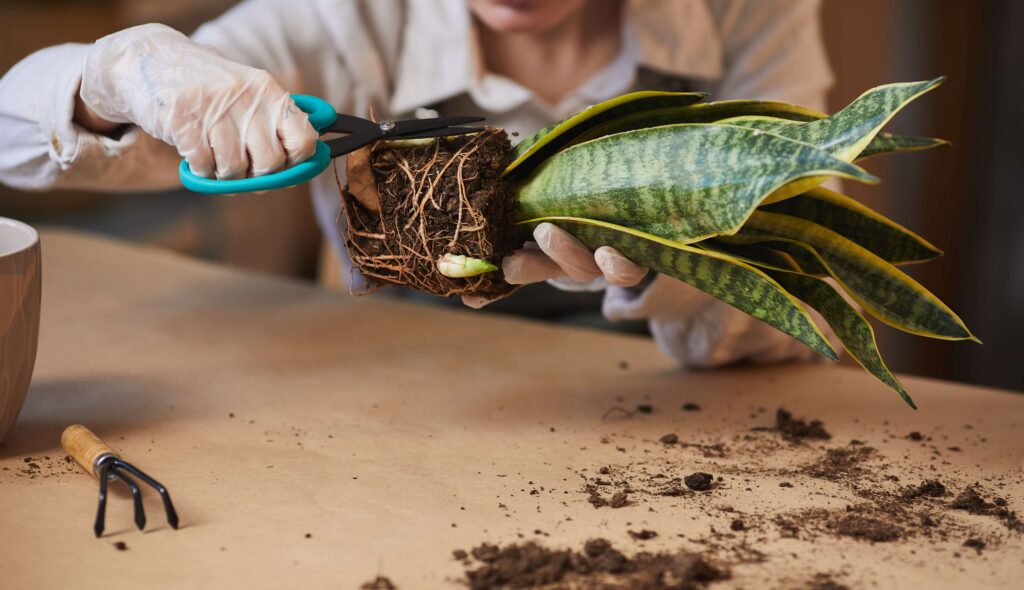
If you’re looking for a low-maintenance houseplant, the snake plant (also commonly known as Sansevieria (also known as mother-in-law’s tongue). The snake plant (Sansevieria) is one of the most enjoyable house plants that can be propagated and provide a variety of ways to grow new plants by combining species. The striking upright leaves and the ability to thrive in a wide range of conditions makes it a top choice for the plant-lovers. But growing a snake Plant isn’t just easy but also an enjoyable way to expand your collection, whether you’re a beginner or an experienced gardener, understanding how to propagate a snake plant can be an enjoyable and affordable project.
Understanding Snake Plant Propagation Basics
On this page, we’ll lead you through the easiest and most effective methods for snake plant propagation. These include cuttings of leaves, division, as well as water-based propagation. Additionally, you’ll learn the best time to propagate, how to care for new cuttings, and frequent mistakes that to be avoided. At the end of this blog, you’ll have confidence in making new snake plants from your existing one–turning one beauty into many.
Essential Growing Conditions
- Light: Indirect sunlight
- Temperature: 70-90°F (21-32°C)
- Soil pH: 6.0-7.5
- Watering: Allow soil to dry between waterings
Three Proven Methods for Snake Plant Propagation
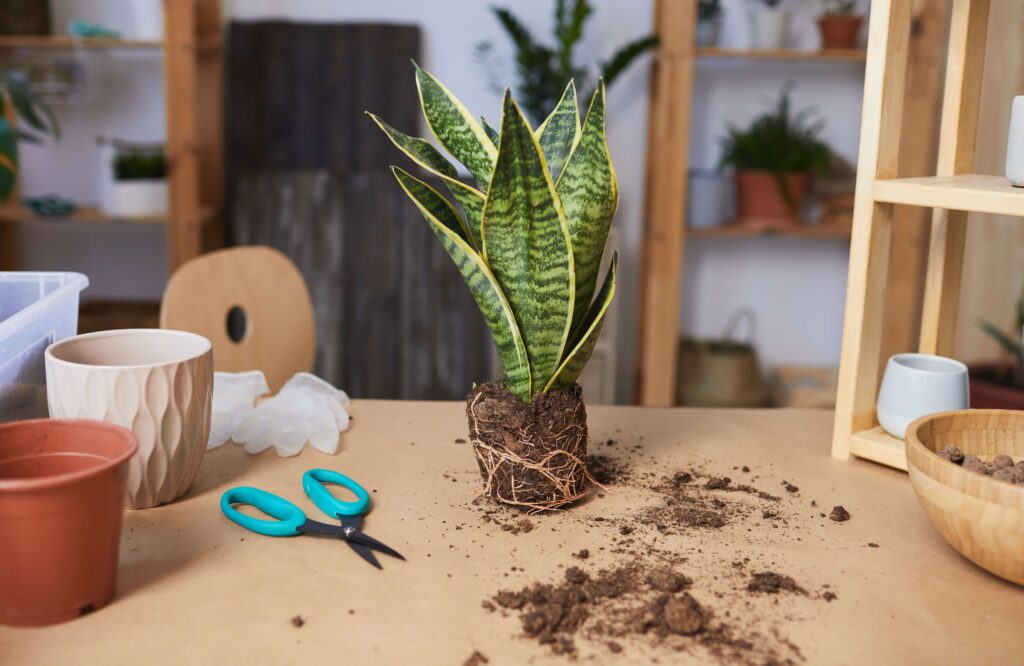
1. Snake Plant Water Propagation Method
Water propagation is popular among beginners due to its simplicity and visibility of root development.
Steps for Water Propagation:
- Cut healthy leaves into 4-6 inch sections
- Let cuts callus for 24 hours
- Place cuttings in clean water
- Change water weekly
- Wait 4-8 weeks for roots to develop
2. Snake Plant Soil Propagation Method
The process of propagating soil often results in stronger plants. They also require a special pot for snake plants.
Required Materials:
- Well-draining potting soil mix
- Clean pot with drainage holes
- Snake plant cuttings
- Rooting hormone (optional)
Steps:
- Prepare potting soil mixture
- Insert treated cuttings 2 inches deep
- Maintain slightly moist soil
- Place in indirect light
3. Snake Plant Division Propagation
Division is the fastest method for creating new plants, especially with potted snake plants showing multiple stems.
Process:
- Remove plant from pot
- Identify natural divisions in snake plant roots
- Separate sections with clean cuts
- Repot divisions in fresh soil
Soil Selection and Potting
The best soil for snake plant propagation should be:
- Well-draining
- Rich in organic matter
- Mixed with perlite or sand
- Slightly acidic to neutral pH
Fertilizer Requirements
Snake plant fertilizer needs are minimal but important:
- Use balanced 10-10-10 fertilizer
- Apply every 4-6 weeks during growing season
- Dilute to half strength
- Avoid fertilizing during winter
Common Problems
Root Development Issues
- Yellow leaves indicate overwatering
- Slow root growth suggests incorrect temperature
- Rotting stems need immediate removal
Environmental Factors
- Direct sunlight can burn new growth
- Cold drafts slow propagation
- Excessive moisture leads to root rot
Advanced Tips for Success
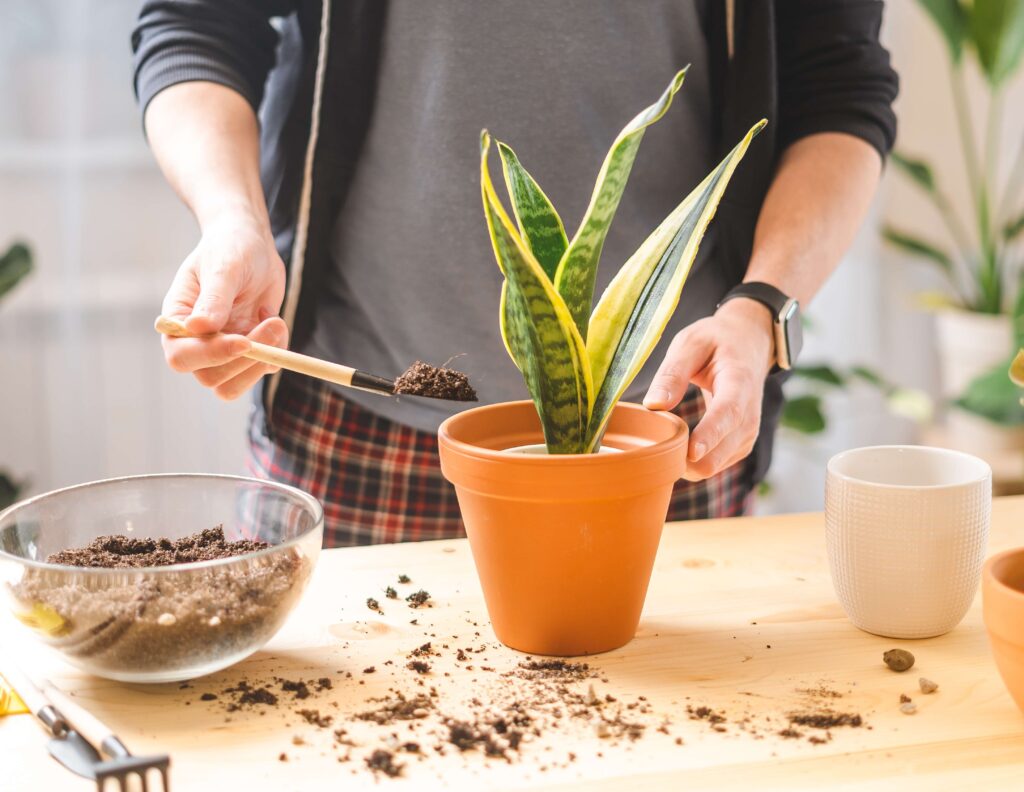
Choosing the Right Pot
When selecting a snake plant pot:
- Ensure adequate drainage holes
- Choose terracotta for better moisture control
- Pot Size 1-2 inches larger than root ball
Seasonal Considerations
- Spring and summer are ideal for propagation
- Reduce watering in winter
- Maintain consistent temperature
Where to Find Supplies
- While you may find snake plants in Home Depot and other garden centers, you should consider these sources of items:
- Local nurseries for quality potting soil
- Garden centers for appropriate pots
- Online specialists for rare varieties
Maintenance Schedule
Create a care routine:
- Weekly water check
- Monthly fertilizer application (growing season)
- Quarterly pot inspection
- Bi-annual soil refresh
Conclusion
Proficient snake propagation requires an amalgamation of correct method and perseverance. When it comes down to strategies for water propagation, soil or division, following these guidelines will lead to healthy plants. Make sure you focus on correct soil selection with careful watering and appropriate fertilization to achieve the most efficient outcomes. Top of Form